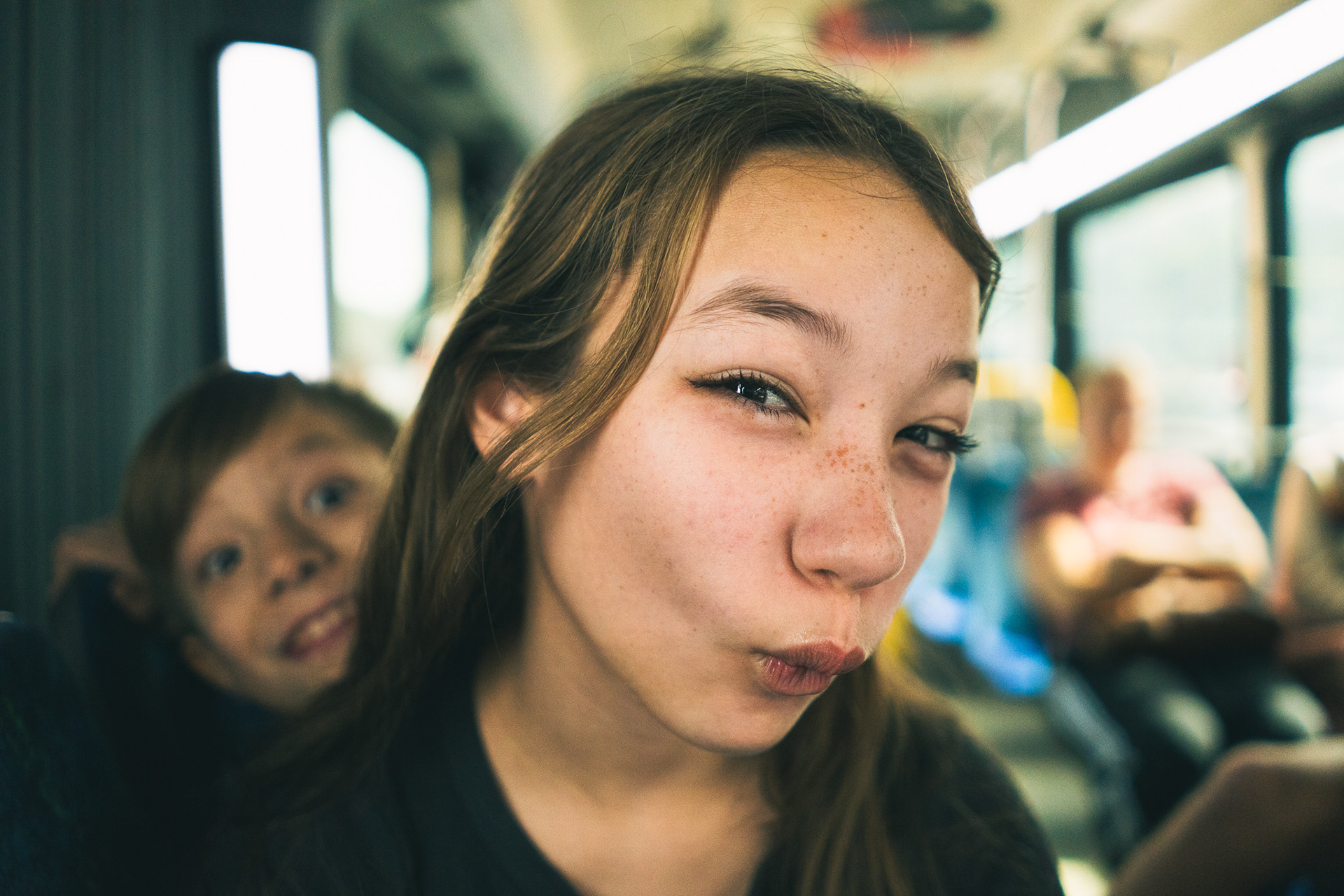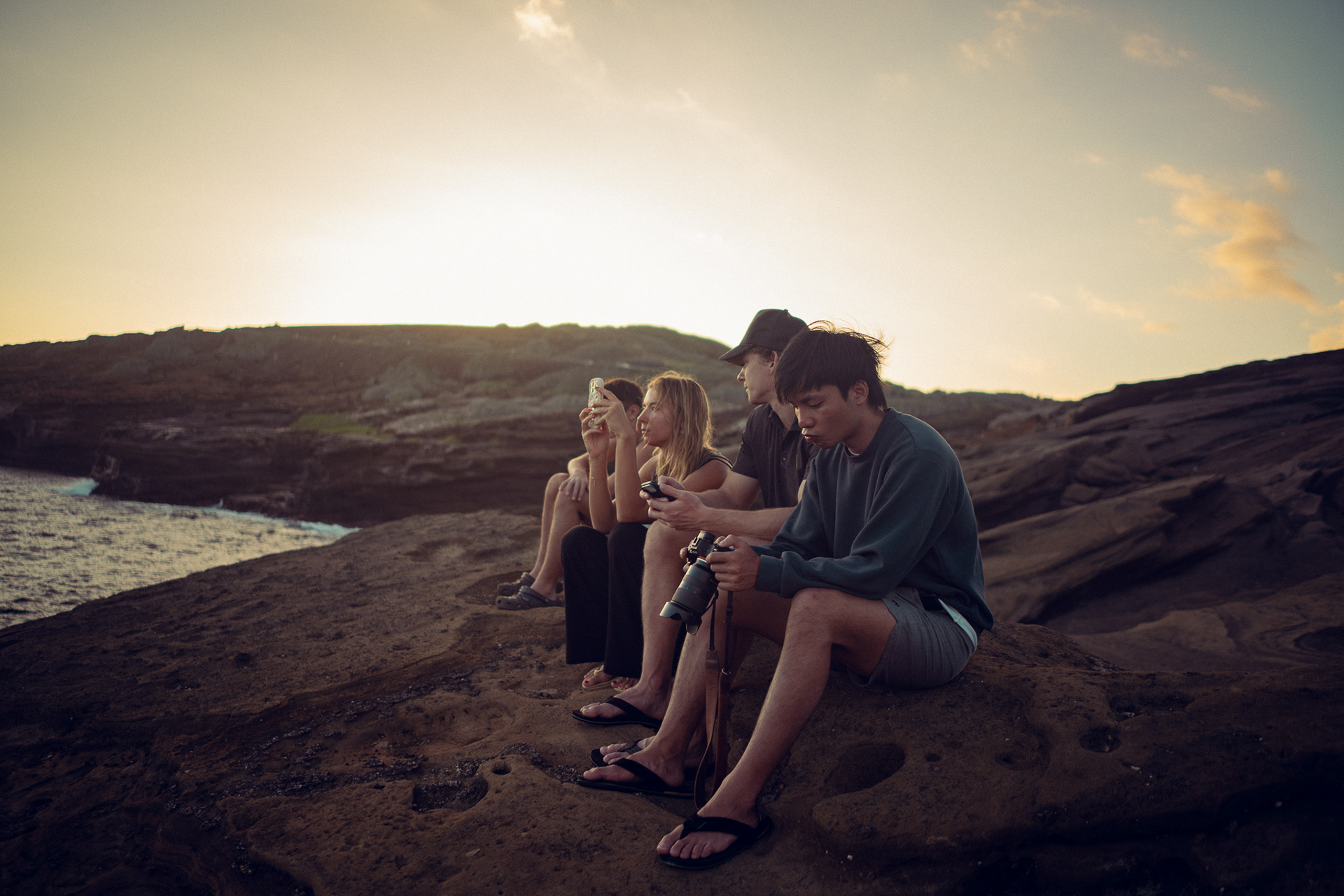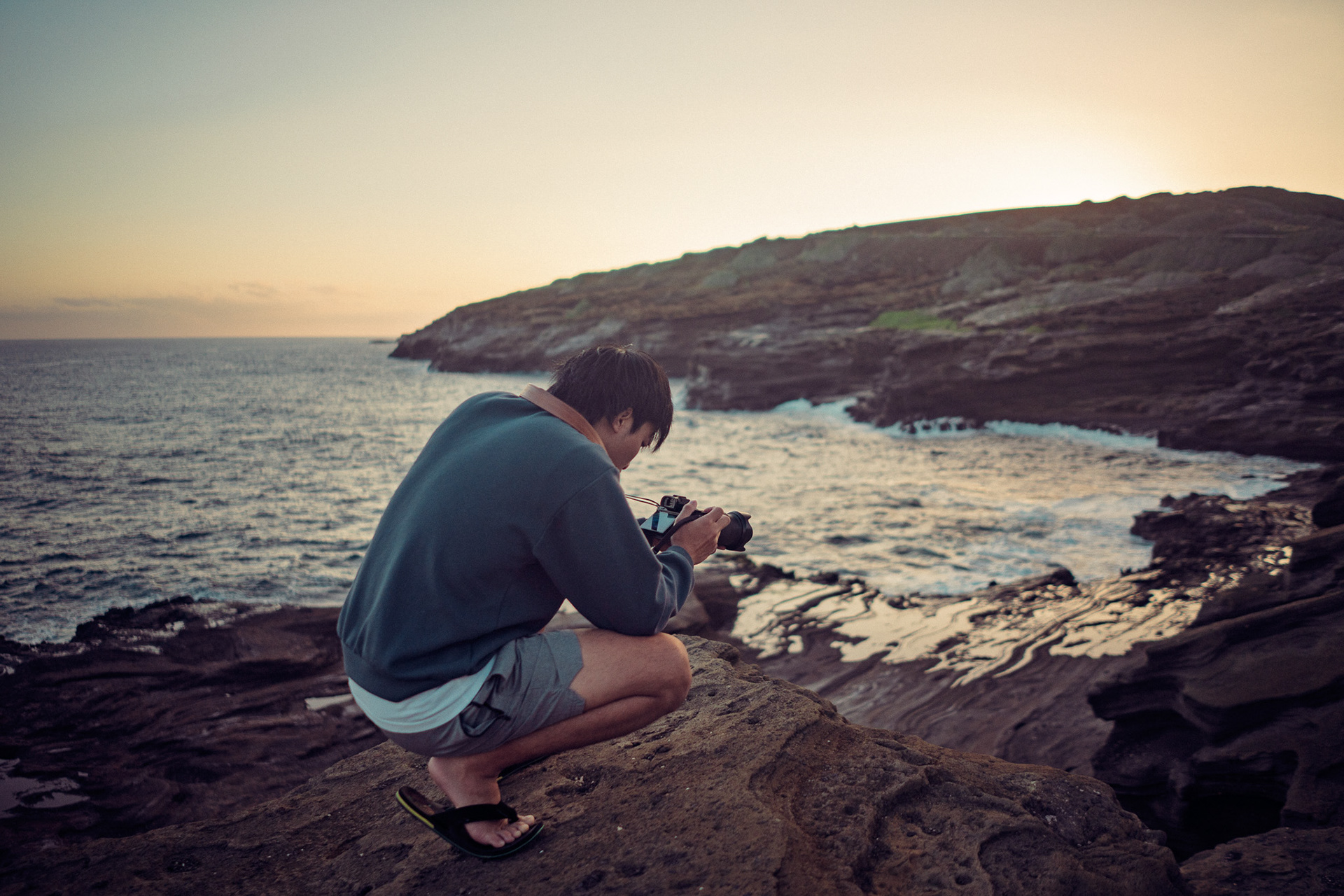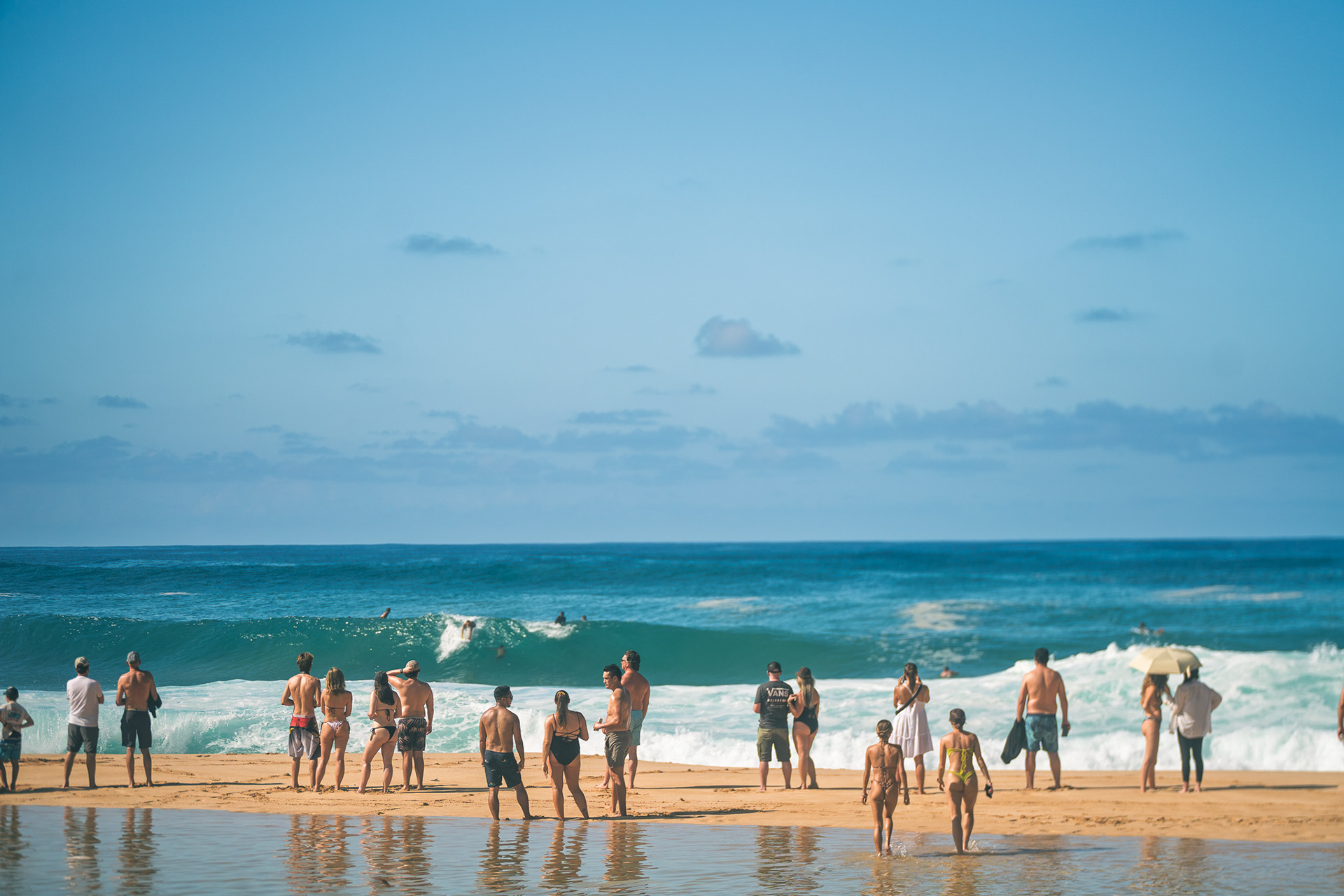
As a photographer, my relationship with the camera has been shifting. While I still appreciate a beautifully lit portrait or a perfectly composed landscape, those images no longer feel like the core of why I create. With the rapid rise of AI in photography—tools capable of producing stunning, technically flawless images in seconds—I’ve felt a growing pull toward something AI simply can’t replicate: real life. The subtle interactions, the imperfect moments, and the emotional weight of being present in a place with people who matter to me have become far more important than visual perfection alone.
AI can generate beauty, but it doesn’t carry memory. It doesn’t know what it feels like to stand barefoot in warm sand with your family, or to watch the light change at the end of an adventure filled with laughter, challenges, and connection. Those moments are layered with meaning that goes far beyond aesthetics. Photography, for me, is increasingly about preserving those layers—the stories behind the image, the context, the quiet details that only exist because I was there.
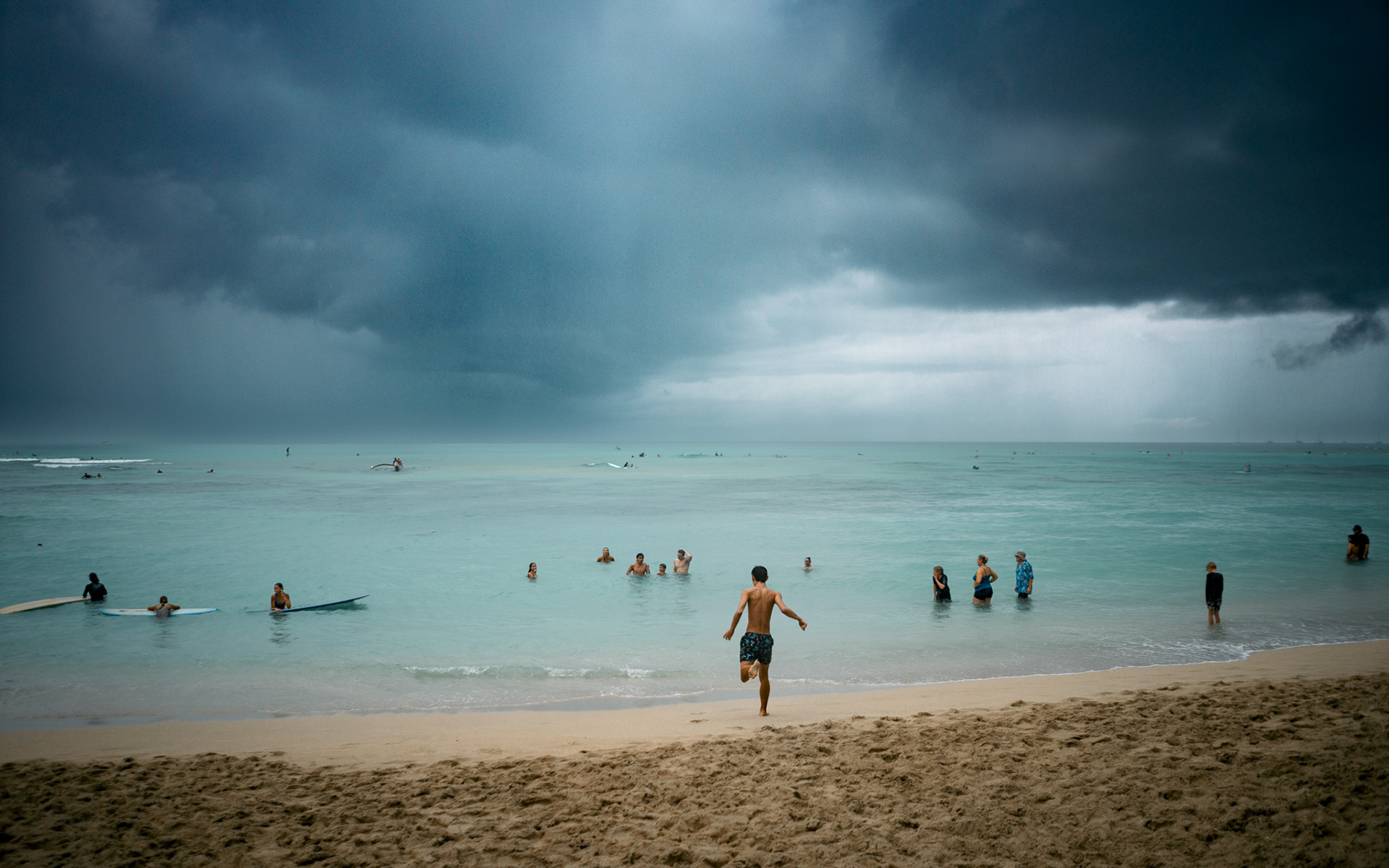
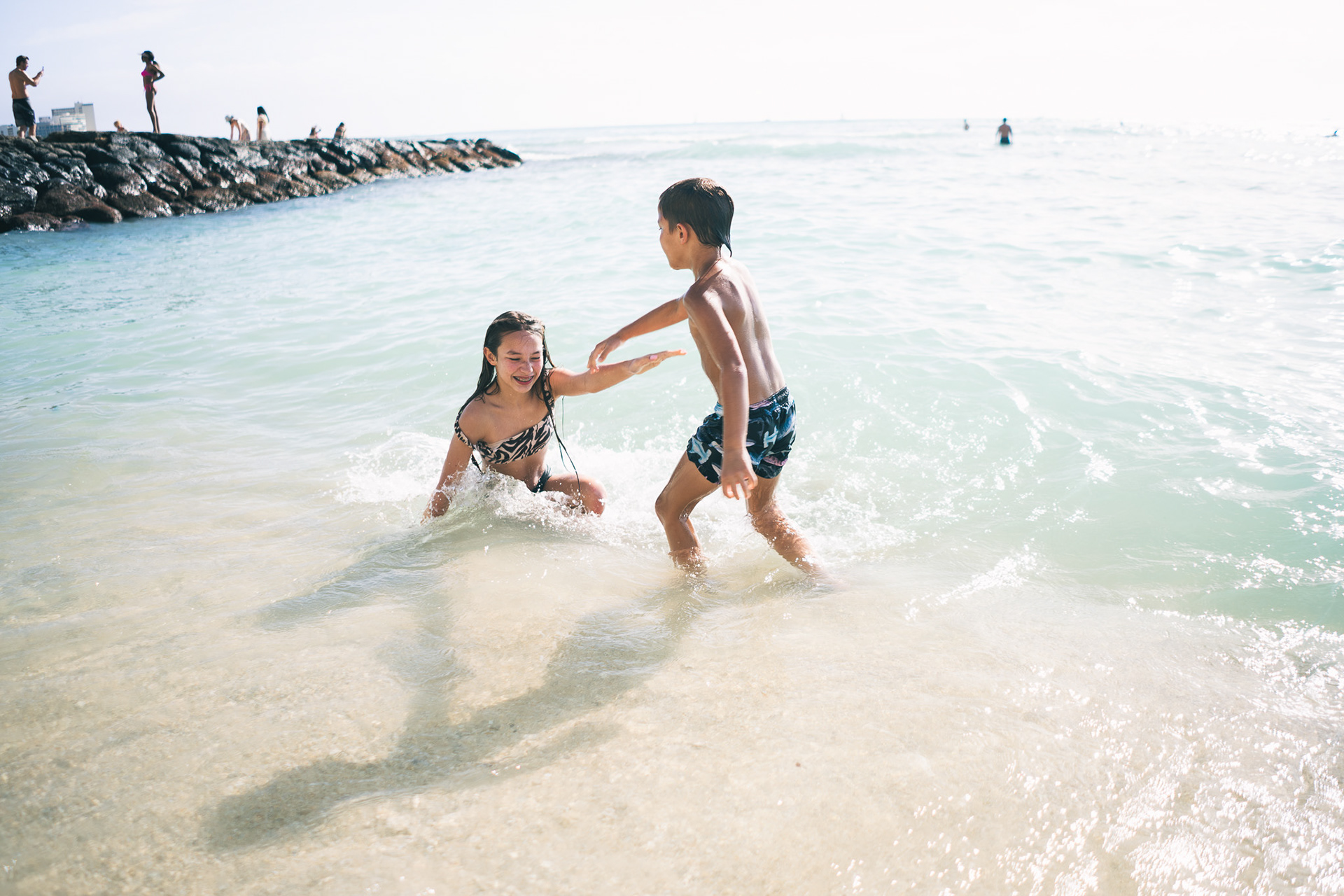
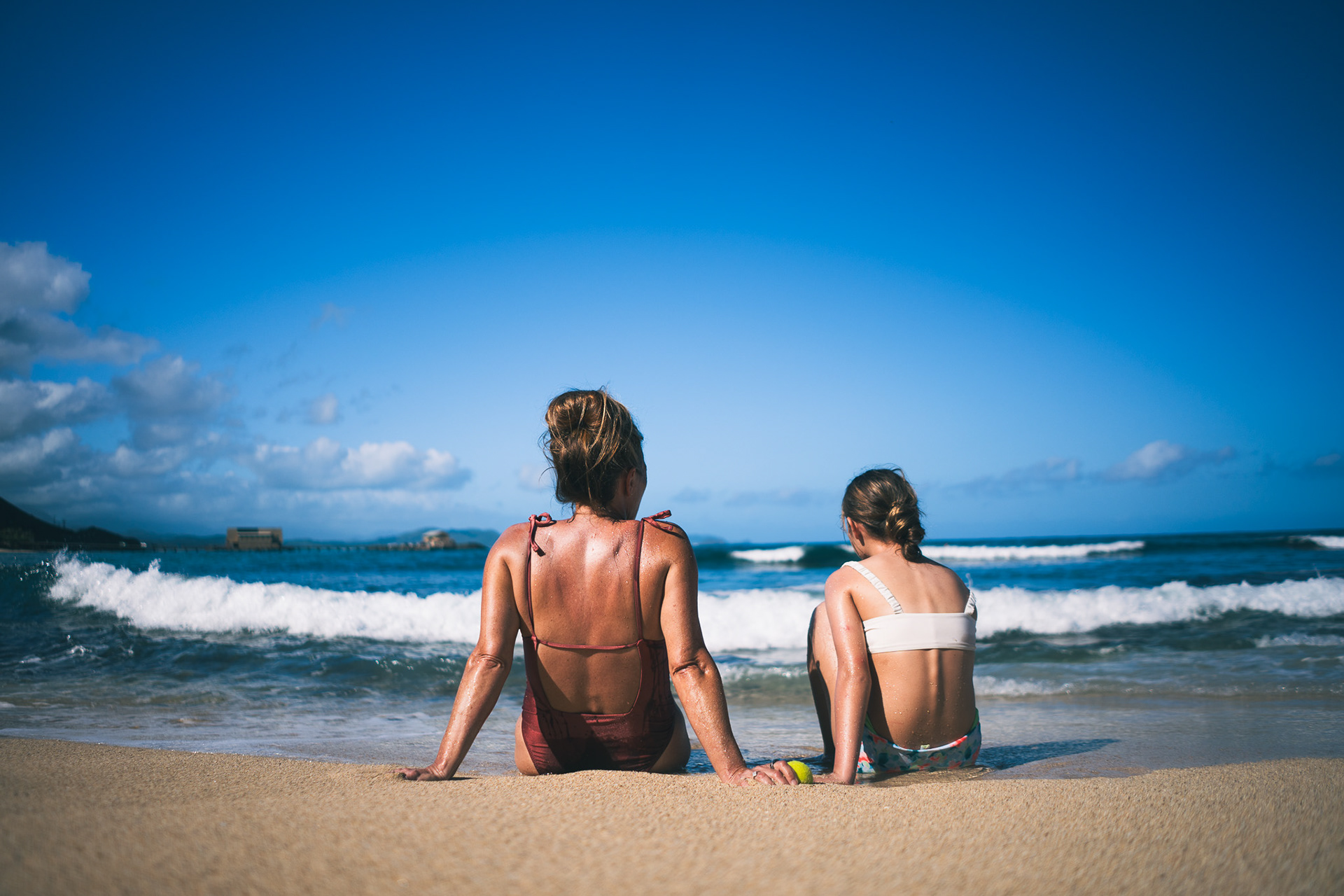
This mindset shaped how I photographed our family vacation in Hawaii. Instead of chasing postcard views or idealized scenes, I focused on moments and places that felt personal and memorable: shared meals, lazy beach days, spontaneous volleyball games, and the way familiar faces fit into an unfamiliar landscape. These images may not always be “perfect,” but they are authentic. In an age where images are easy to create, I find more value than ever in photographs that are deeply human—images rooted in experience, memory, and connection.